The Buzz Behind the Glow: Sorting Out a Humming LED Dimmer Circuit
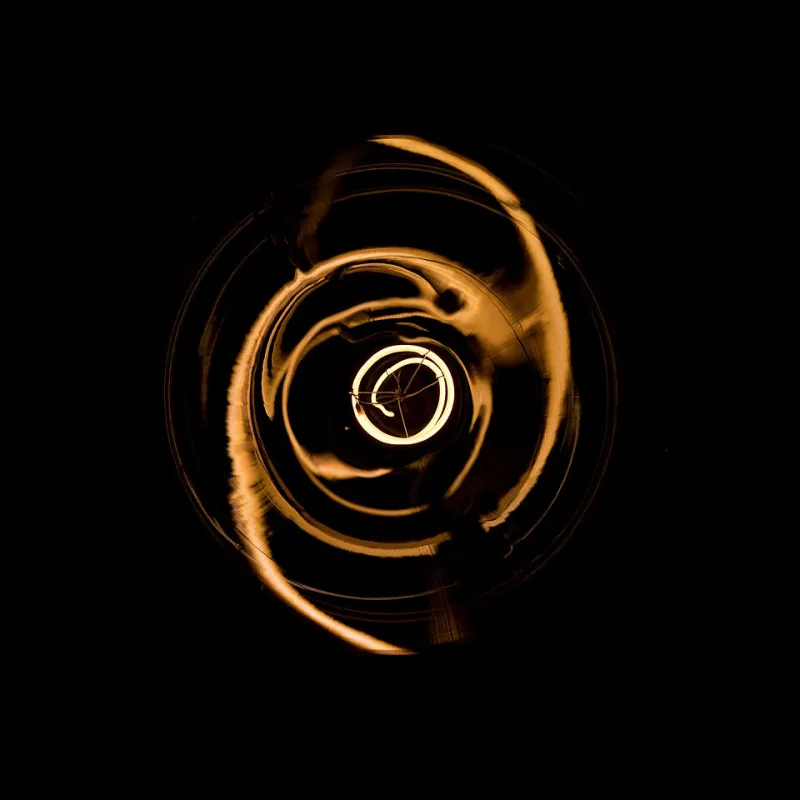
Photo: Jules Verne Times Two, CC BY-SA 4.0, via Wikimedia Commons
You finally swapped the old halogen candles for warm LED filaments, stood back to admire the glow, and then heard it: a low, insect-like buzz from the switch plate or the bulb itself. It is one of the most common complaints in British homes when lighting gets upgraded, and it almost always comes down to the same handful of causes. The good news is that you can diagnose most of them without touching the wiring. The better news is that the fix is often a £12 component or a different lamp—not a full rewire.
'Dimmable' on the Box Is a Claim, Not a Promise
LED packaging uses the word 'dimmable' far too generously. It usually means the lamp can be dimmed by some dimmers, under some conditions, with some minimum load attached. It does not mean it will behave with the dimmer already screwed to your wall. Manufacturers publish compatibility lists for a reason, and a lamp that hums on one dimmer may be silent on another. If the box makes no mention of a dimmer brand, treat it as a starting point rather than a guarantee.
Where the Noise Actually Comes From
There are three places to listen. First, the lamp: some LED drivers buzz internally, especially cheap ones, and no amount of fiddling at the switch will quieten them. Second, the dimmer: older leading-edge dimmers use a triac that chops the mains waveform, and that abrupt switching can make lamp electronics sing. Third, the interaction between the two, which is where minimum load and waveform compatibility come in.
A trailing-edge dimmer—sometimes sold as an LED dimmer—switches more gently and is generally the better match for modern lamps. It is not a universal cure, but if your dimmer was bought for halogen in the 2000s, it is the first thing to suspect. You can usually identify the model by removing the switch plate only after isolating the circuit, or by checking the receipt and the manufacturer's website. Do not start unscrewing anything live.
The Minimum Load Trap
Dimmers are rated for a minimum load as well as a maximum. A single 4W LED filament lamp may sit well below that minimum, which can cause flicker, dropouts at the bottom of the dimming range, and a hum that comes and goes. Four lamps at 4W each is still only 16W, and many dimmers want 20W or more. Add in the fact that dimmer ratings are often derated for LED loads—sometimes to 10% of the halogen figure—and it becomes clear why a switch that was happy with 200W of halogens is sulking with 16W of LEDs.
This is where the load capacitor, often called a bypass capacitor, earns its keep. It provides a small steady load that keeps the dimmer's circuitry happy, reducing flicker and low-level hum. It is not a magic box that fixes every buzz, and it will not rescue a lamp with a poorly designed driver. But when the problem is a dimmer running below its minimum load, it is the least invasive fix available.
Two Wires or Three?
Most British lighting circuits at the switch have no neutral, which means two-wire dimmers rely on a small leakage current through the lamp to power themselves. Some LEDs do not like this and will glow faintly, flicker, or buzz even when switched off. Three-wire dimmers need a neutral at the switch and are generally more stable, but adding that neutral is a job for an electrician—not a weekend experiment.
If your lights glow when off, that is a two-wire dimmer and LED incompatibility issue, not a faulty bulb. A bypass capacitor can help here too, but check the dimmer manufacturer's instructions first. Random capacitors from a drawer are not the answer.
A Safe Diagnosis in Ten Minutes
Start by isolating the lighting circuit at the consumer unit. Then work through the simple checks. Try a known compatible lamp in the same fitting. Try the suspect lamp in a non-dimmable circuit. Listen at full brightness and at half. If the buzz is present at full brightness, suspect the lamp. If it only appears mid-range, suspect the dimmer and lamp combination. Check the dimmer's model number, its LED rating, and whether it is leading or trailing edge. Check whether the lamp appears on the dimmer's compatibility list. None of this requires opening the switch plate, and none of it requires rewiring.
What the £12 Fix Does—and Doesn't
A manufacturer-approved load capacitor can cure low-load flicker, dropouts, and a light hum caused by a dimmer that is not seeing enough current. It will not fix a buzzing lamp driver, a dimmer that is simply incompatible, or a switch that is overheating. If the switch plate is warm, discoloured, or buzzing loudly from inside the wall, stop using it and get an electrician in. That is not a capacitor job.
The Buy-or-Return Checklist
Before you buy another lamp, confirm the dimmer model and its LED rating. Check the lamp's compatibility list, not just the word 'dimmable'. Prefer trailing-edge dimmers for LED loads. Add up the wattage and compare it with the dimmer's minimum. If you are below the minimum, budget for a bypass capacitor or more lamps. Buy from a retailer with a straightforward return window, keep the receipt, and test the lamp in the actual fitting before the window closes. If it hums, return it rather than living with it.
When to Call Someone
Any work inside the switch plate beyond replacing a lamp or a plug-in module should be done by a competent electrician, and notifiable work in England and Wales falls under Part P. Old dimmers, missing neutrals, and anything that smells hot are not DIY territory. The buzz is usually harmless, but the wiring behind it deserves respect. Sort out the lamp and the load first; only then decide whether the dimmer itself needs replacing.